How to Sew Knits Without a Serger
Sew T-shirts and hoodies on a regular sewing machine: the right needle, a stretch stitch, careful feeding and three ways to hem knits without a coverstitch.
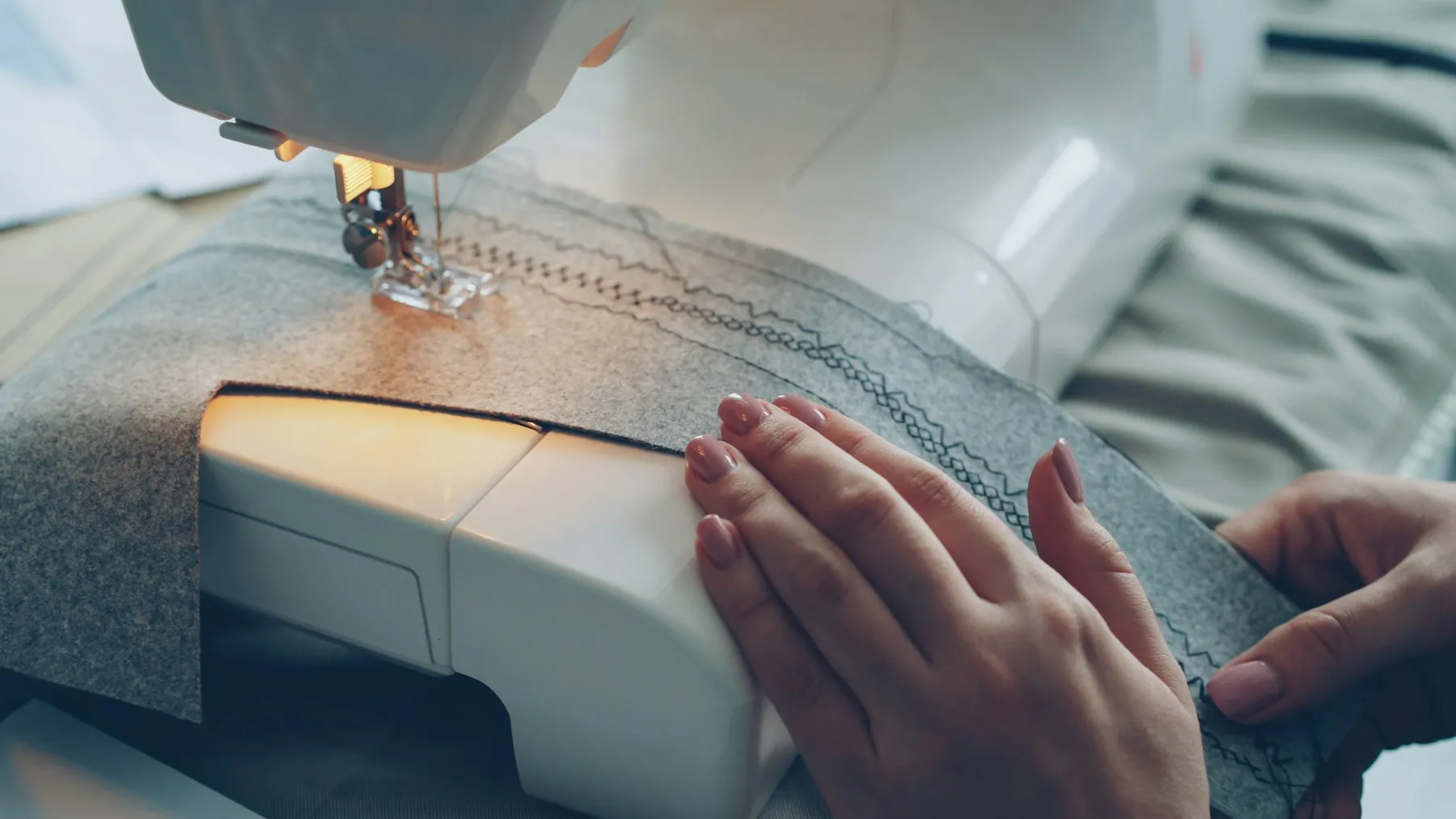
Short answer: yes, you can sew knit fabric on a regular sewing machine. Use a ballpoint (jersey) or stretch needle, sew the seams with a narrow zigzag or your machine’s stretch stitch, let the machine feed the fabric without pulling it, and hem with a twin needle, a zigzag, or a band. Test everything on a scrap first.
A serger (overlocker) is faster and gives a neat, stretchy finish in one pass, but it isn’t required. Home sewists made T-shirts and sweatshirts on ordinary machines long before sergers were common, and knit fabric doesn’t fray the way wovens do, so the seam allowances don’t strictly need finishing. What a regular machine needs is the right setup.
What you need
- A jersey/ballpoint or stretch needle in a size that suits your fabric weight. More on choosing below.
- Polyester all-purpose thread. It has a little more give than cotton thread, which helps seams survive being stretched.
- A machine with a zigzag stitch. Almost every modern domestic machine has one. Many also have a dedicated stretch stitch.
- Optional but helpful: a walking foot, a twin needle for hems, and clear elastic or stay tape to keep shoulder seams from stretching out.
1. Choose the right needle
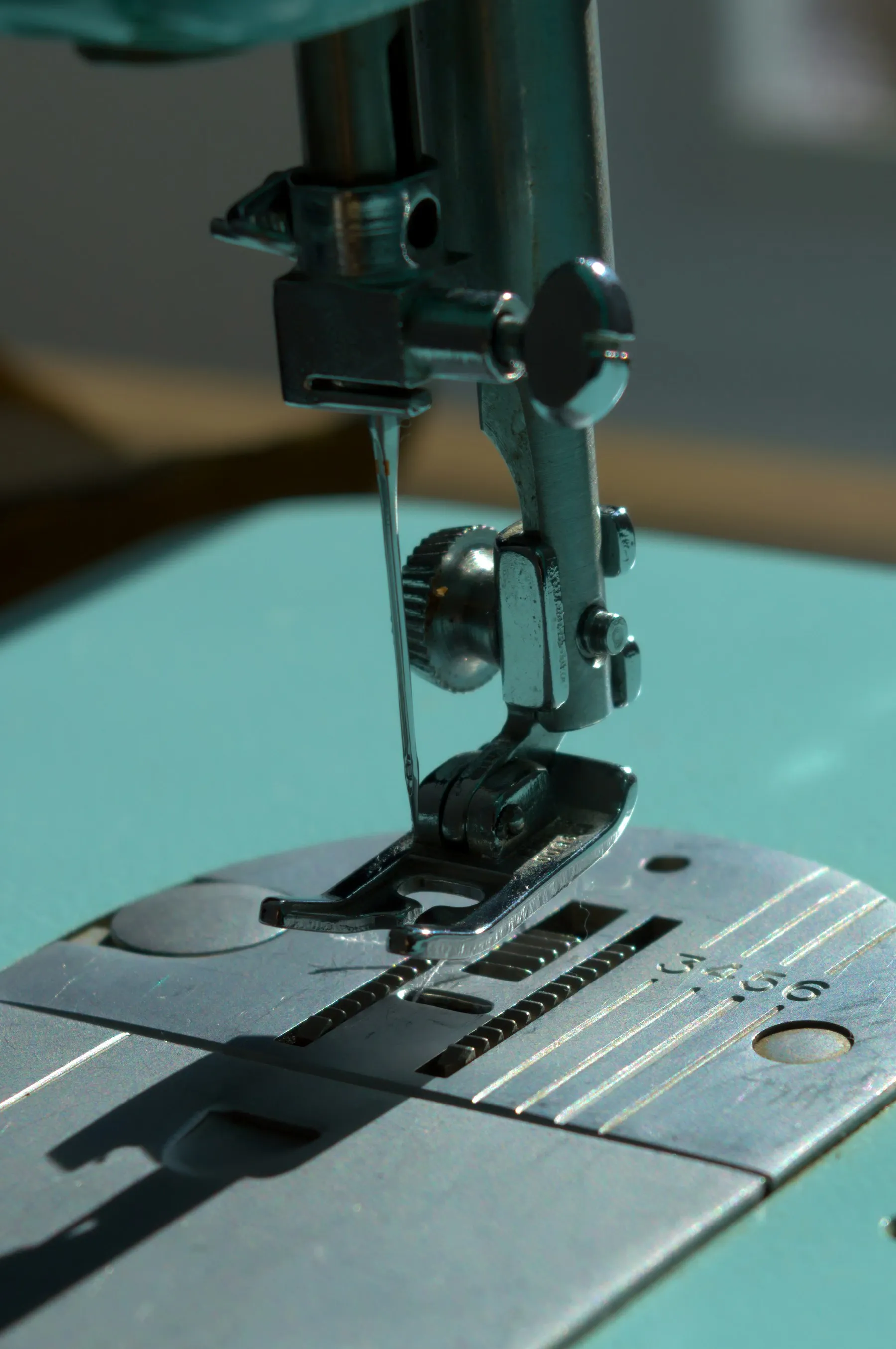
A universal needle has a slightly rounded point that can pierce knit yarns instead of sliding between them. That can cause skipped stitches and, on fine jersey, small holes along the seam. Knit needles fix both problems.
Needle maker Schmetz splits it like this (Schmetz guide to needles for jersey):
- Jersey (ballpoint) needle: for knits without spandex, such as cotton jersey, French terry, sweatshirt fleece and interlock. Its medium ball point pushes the knit loops aside rather than cutting them.
- Stretch needle: for knits with spandex and other highly elastic fabrics, like activewear, swim and stretchy rib. Its shape helps prevent skipped stitches. Schmetz’s advice if you’re unsure whether a fabric is elastic: use the stretch needle.
Size matters too. A needle that’s too thick can leave holes even if it’s the right type, so test on a scrap. Schmetz also recommends starting each new project with a new needle (Schmetz needle guide, PDF). A dull or burred needle is one of the most common causes of skipped stitches on knits.
2. Choose a stitch that stretches
Knit garments stretch every time you pull them on. A plain straight stitch has almost no give, so on a seam that stretches, like a neckband or side seam on a fitted tee, the thread can snap. You need a stitch that can stretch with the fabric.
| Stitch | How to use it | Good for | Watch out for |
|---|---|---|---|
| Narrow zigzag | Start narrow and fairly short. Schmetz suggests about 1 mm wide and 1.5–2 mm long as a starting point. | Main seams on any machine | Too wide, and the seam can gape open when stretched |
| Stretch stitch (“lightning bolt”) | A machine preset that looks like a slanted zigzag | Main seams that should look straight from the outside | Very hard to unpick, so baste or test first |
| Triple straight stitch | A preset that sews each stitch three times | Seams that need strength more than stretch | Also hard to unpick, and less stretchy than zigzag |
| Overlock-look stitch | A preset on some machines that stitches and wraps the edge in one pass | Sewing and finishing in one step | Not on every machine, and slower than a serger |
| Three-step zigzag | Each zig is made of several small stitches | Attaching elastic and finishing edges | Too bulky for most main seams |
Your machine manual will show which of these you have and the recommended settings. Treat any numbers here as starting points.
3. Feed the fabric, don’t push or pull it
Most knit-sewing problems come from the fabric stretching as it goes through the machine. The result is a wavy, “lettuce” seam that won’t lie flat. To prevent it:
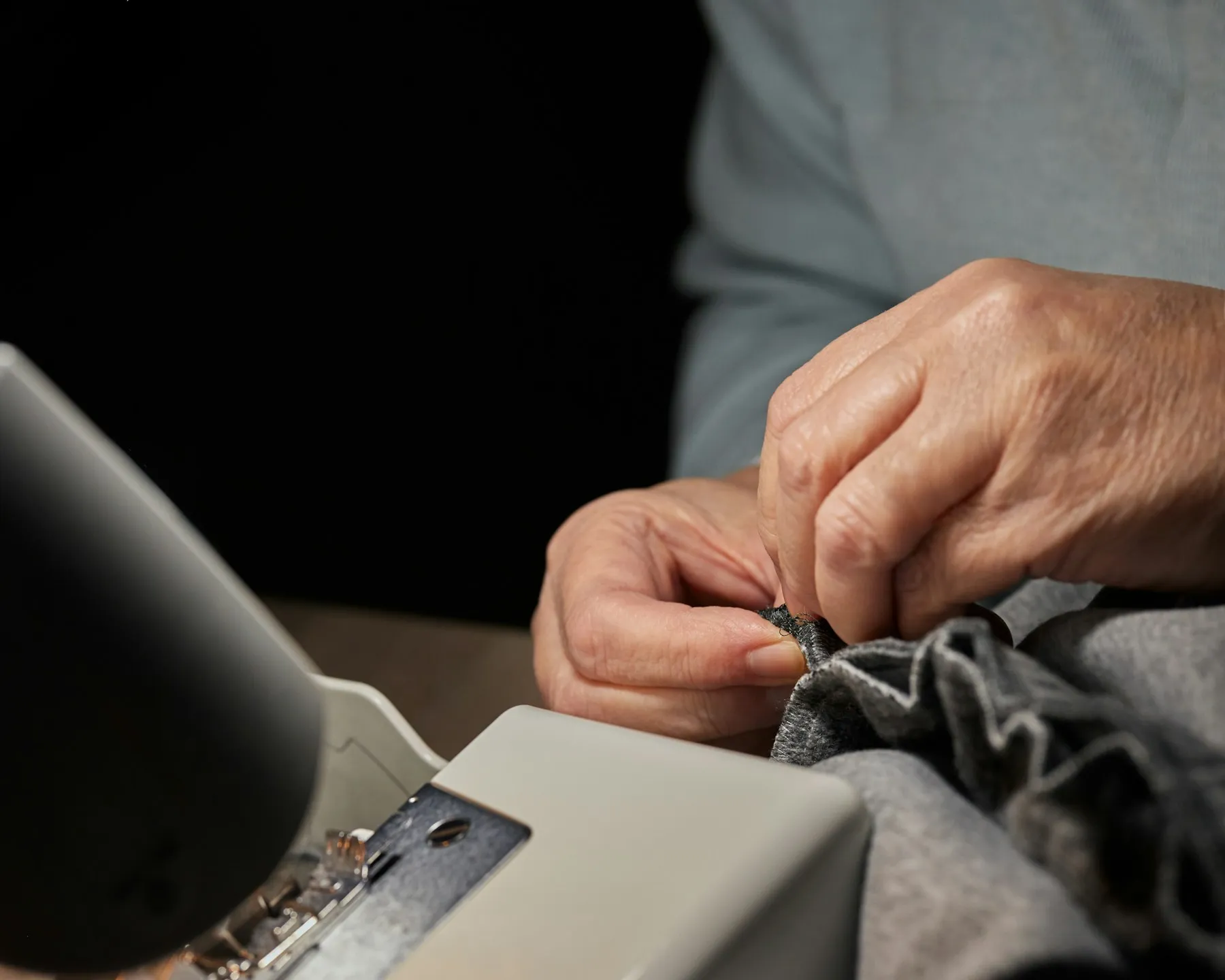
- Don’t pull the fabric from the front or back. Rest your hands lightly on it and steer.
- Support the weight. Don’t let a heavy sweatshirt body hang off the table and drag on the seam.
- Use a walking foot if you have one. It feeds the top layer at the same rate as the bottom, which helps a lot on thick or slippery knits.
- Reduce presser-foot pressure if your machine lets you. Too much pressure squashes and stretches the top layer.
- Lengthen the stitch slightly if seams still ripple. A slightly longer stitch puts less fabric under each stitch.
If a seam has already rippled, steam it, hovering the iron over the seam or pressing lightly. Cotton knits often relax back into shape.
Getting the seam started
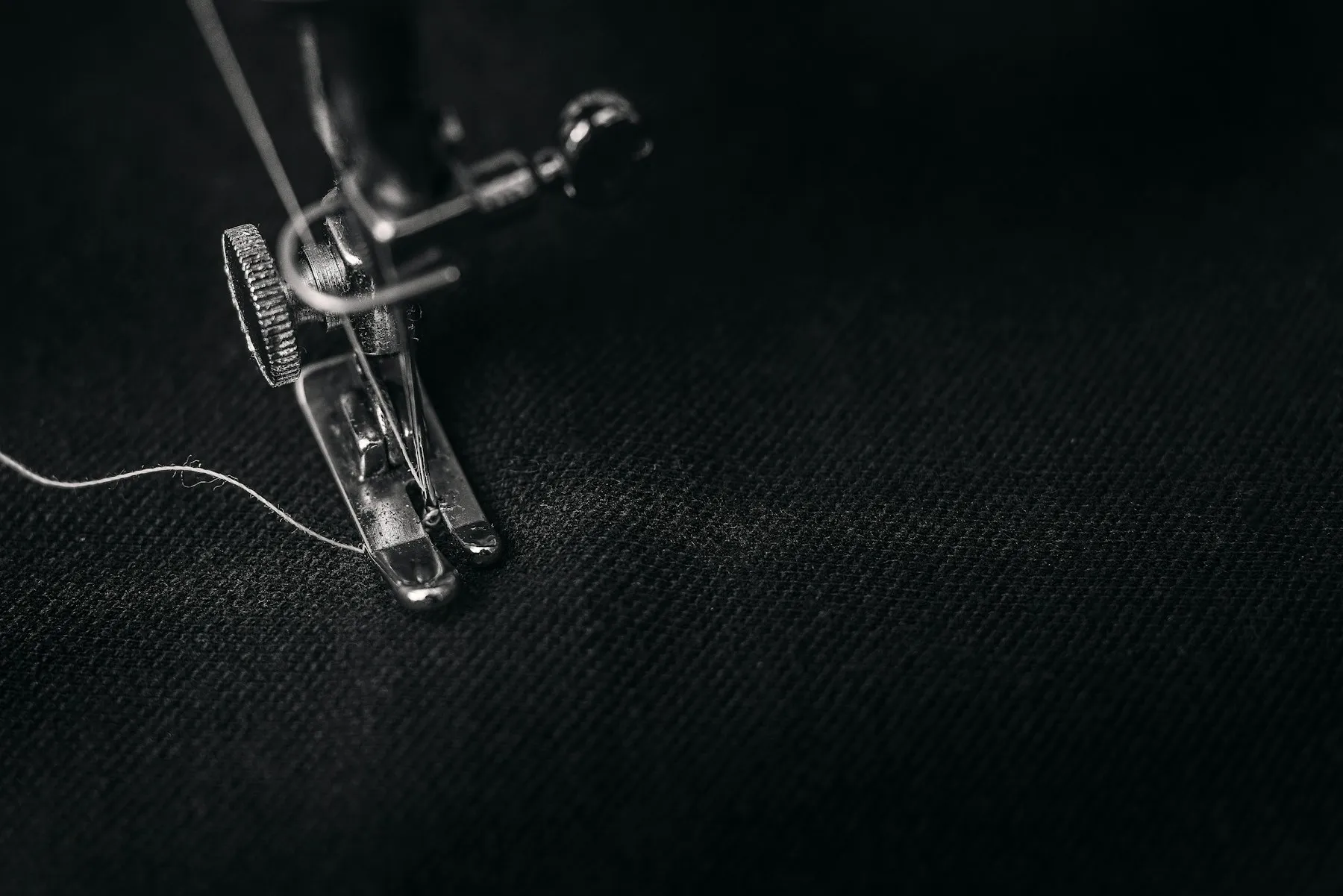
Knits, especially fine jersey, can get pushed down into the needle plate at the start of a seam. Hold both thread tails behind the foot for the first few stitches. Start a few millimeters in from the edge rather than right on it. On very thin knits, a strip of tissue paper or tear-away stabilizer under the seam gives the feed dogs something to grip, and you tear it away afterward.
Most knit-sewing problems come from the fabric stretching as it goes through the machine.
4. Stabilize the seams that shouldn’t stretch
Some seams should stay put, even on a stretchy garment. Shoulder seams carry the weight of the whole garment and can stretch out over time. Many patterns tell you to sew clear elastic, twill tape or stay tape into the shoulder seams. If yours does, follow it. If it doesn’t, adding stay tape to the shoulders of a heavier hoodie or tee is a common, low-risk fix. Waistband edges on joggers sometimes need the same treatment.
5. Finish the seam allowances (optional)
Unlike wovens, knits generally don’t unravel at a cut edge, so many sewists leave knit seam allowances unfinished. If you want a tidier inside, you have three options without a serger:
- Zigzag the two allowances together close to the stitch line, then trim the excess.
- Use your machine’s overlock-look stitch, if it has one, to sew and finish in one pass.
- Leave them. Press the allowances to one side and move on.
French terry and fleece shed some fiber at cut edges, so finishing is worth the minute on a hoodie.
6. Hem knits without a coverstitch
Store-bought tees use a coverstitch machine for that double row of stitching on the hem. At home you have three good options:
- Twin needle. A twin (double) needle sews two parallel straight rows on top, with a single bobbin thread zigzagging between them underneath, so the hem has some stretch. Schmetz makes stretch twin needles for knits. If the fabric bunches into a ridge between the rows (“tunneling”), lengthen the stitch, loosen the needle tension slightly, or stabilize the hem with a strip of fusible knit tape or spray starch.
- Zigzag hem. Fold the hem up and sew it with a narrow zigzag from the right side. It’s less polished than a twin needle but very reliable.
- No hem at all. Use bands and cuffs. Hoodies and sweatshirts usually finish the sleeves and hem with rib-knit bands, sewn on with the same stretch stitch as the seams. That sidesteps hemming entirely.
Attaching ribbing and neckbands
Ribbing is cut shorter than the opening it goes on, then stretched to fit as you sew. Divide both the band and the opening into quarters and pin at each mark. Then sew with a stretch stitch, stretching only the band between pins, not the garment. Your pattern gives the band length. For choosing rib knit, see the ribbing section of our guide to the best fabric for hoodies and sweatshirts.
Troubleshooting
| Problem | Likely cause | Try |
|---|---|---|
| Skipped stitches | Wrong or worn needle | A new jersey needle, or a stretch needle for spandex knits |
| Wavy seams | Fabric stretched while sewing | Don’t pull. Use a walking foot, lighter foot pressure or a longer stitch, then steam |
| Fabric pulled into the needle plate | Fine knit at the start of a seam | Hold the thread tails, start in from the edge, use tissue paper underneath |
| Threads pop when stretched | Stitch can’t stretch | Use a zigzag or stretch stitch instead of a straight stitch |
| Ridge between twin-needle rows | Tension too tight or fabric too stretchy | Lengthen the stitch, loosen the tension, stabilize the hem |
| Small holes along the seam | Needle too thick or the wrong point | A smaller jersey or stretch needle |
Which knits are easiest to start with?
Start with stable knits that don’t curl much and only stretch moderately. Midweight cotton French terry, sweatshirt fleece and interlock all feed well on a home machine. That’s one reason a hoodie or sweatshirt is a good first knit project. Lightweight, slinky jersey and anything with a lot of spandex are harder, so save them for later. Our comparison of French terry vs fleece covers how those two sew. Our hoodie yardage chart tells you how much to buy, and the best online fabric stores guide covers where to buy it.
Common questions
Can you sew knit fabric with a regular sewing machine?
Yes. Use a jersey or stretch needle and a narrow zigzag or stretch stitch, and feed the fabric without pulling it. A serger is faster, but it isn’t required for seams or hems.
What stitch should I use for knits without a serger?
A narrow zigzag works on almost any machine. Schmetz suggests roughly 1 mm wide and 1.5–2 mm long as a starting point. Your machine’s stretch (“lightning bolt”) stitch also works. Test on a scrap and stretch the seam to check.
Do I need a walking foot to sew knits?
No, but it helps. It feeds both layers evenly and reduces wavy seams, especially on thick or slippery knits. Without one, lighten the presser-foot pressure if you can, and don’t pull the fabric.
Do knit seams need to be finished?
Usually not, because knits generally don’t unravel. You can zigzag the allowances together, or use an overlock-look stitch, for a tidier inside.
What needle should I use for knits?
A jersey (ballpoint) needle for knits without spandex, and a stretch needle for knits with spandex or other very stretchy fabrics. If you’re not sure, Schmetz recommends the stretch needle.