French Terry vs Fleece: Which for Your Hoodie?
French terry and sweatshirt fleece start as the same knit. One step changes how warm, heavy, and durable your hoodie will be. Here is how to choose.
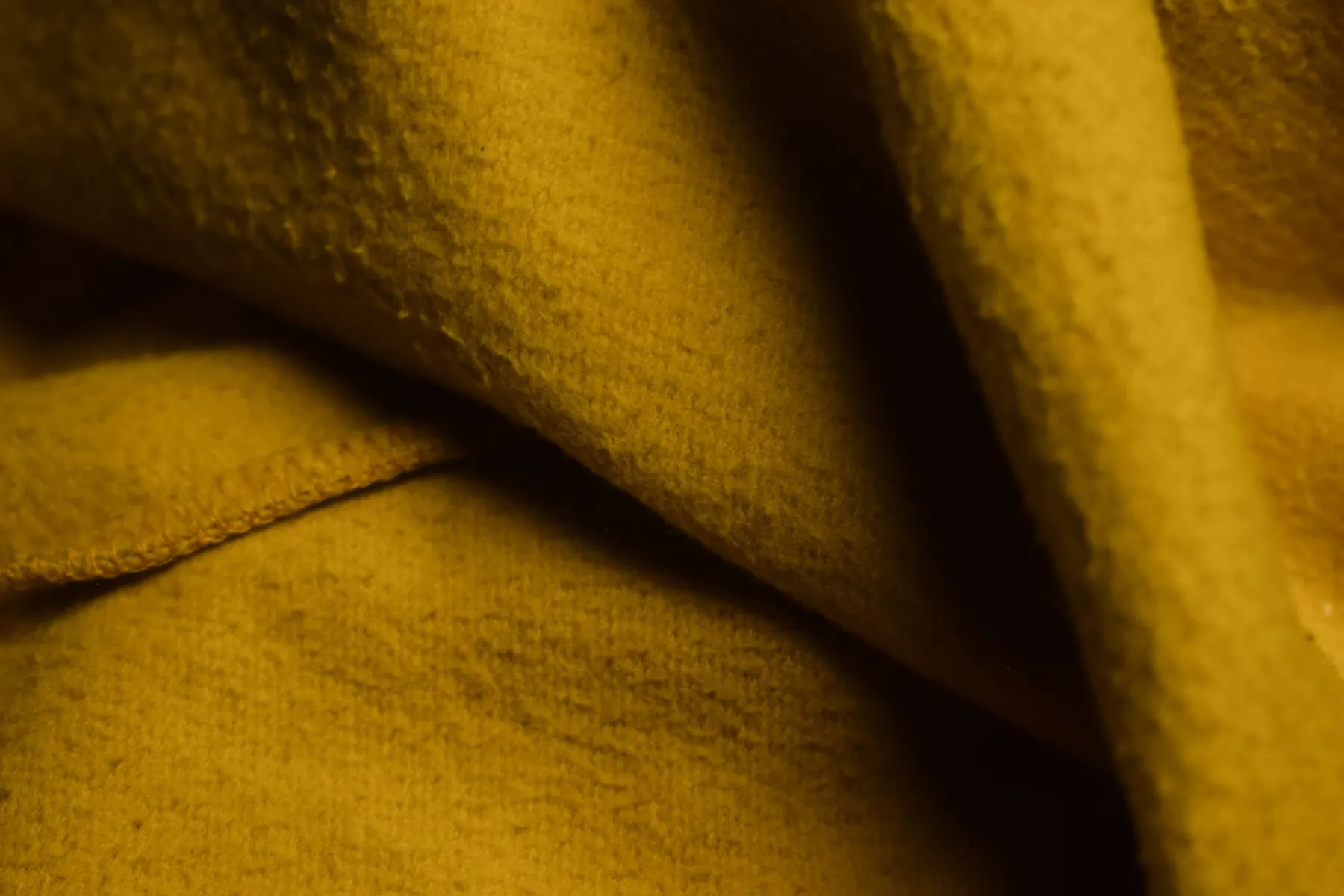
If you are about to sew a hoodie, you will run into the same question everyone does: French terry or fleece? In a shop they can look nearly the same. Both have a smooth knit face, both are sold as “sweatshirt fabric,” and both can come in the same weights. The difference is on the back of the fabric, and it changes how the finished hoodie feels, how warm it is, and how it holds up after washing.
This guide covers what each fabric actually is, how they compare for a hoodie, and a simple way to choose.
The short answer
- Choose French terry if you want a hoodie you can wear most of the year: breathable, a little drapey, and good for layering. It is also easier to sew.
- Choose fleece if warmth is the point: a cold-weather hoodie that feels soft and cozy inside.
- For a heavyweight, boxy hoodie, both can work. Pick by weight (gsm) first, then pick terry or fleece based on how warm you want it.
What French terry and fleece actually are
Most sweatshirt fabric is knitted with two sets of yarns. One forms a smooth, flat face like a T-shirt jersey. The other is knit in as loops on the back.
- French terry keeps those loops as they are. Flip it over and you will see neat rows of small loops. That’s the “loopback” you see in product descriptions.
- Sweatshirt fleece starts the same way, then the back is brushed (napped). Brushing pulls the loops apart into a soft, fuzzy pile that traps air.
So French terry and fleece aren’t separate fabric families. Fleece is basically brushed terry. This is also why you sometimes see both words on one product. Both fabrics knit with a flat face on the outside, so you can’t always tell which is which until you look at the back.
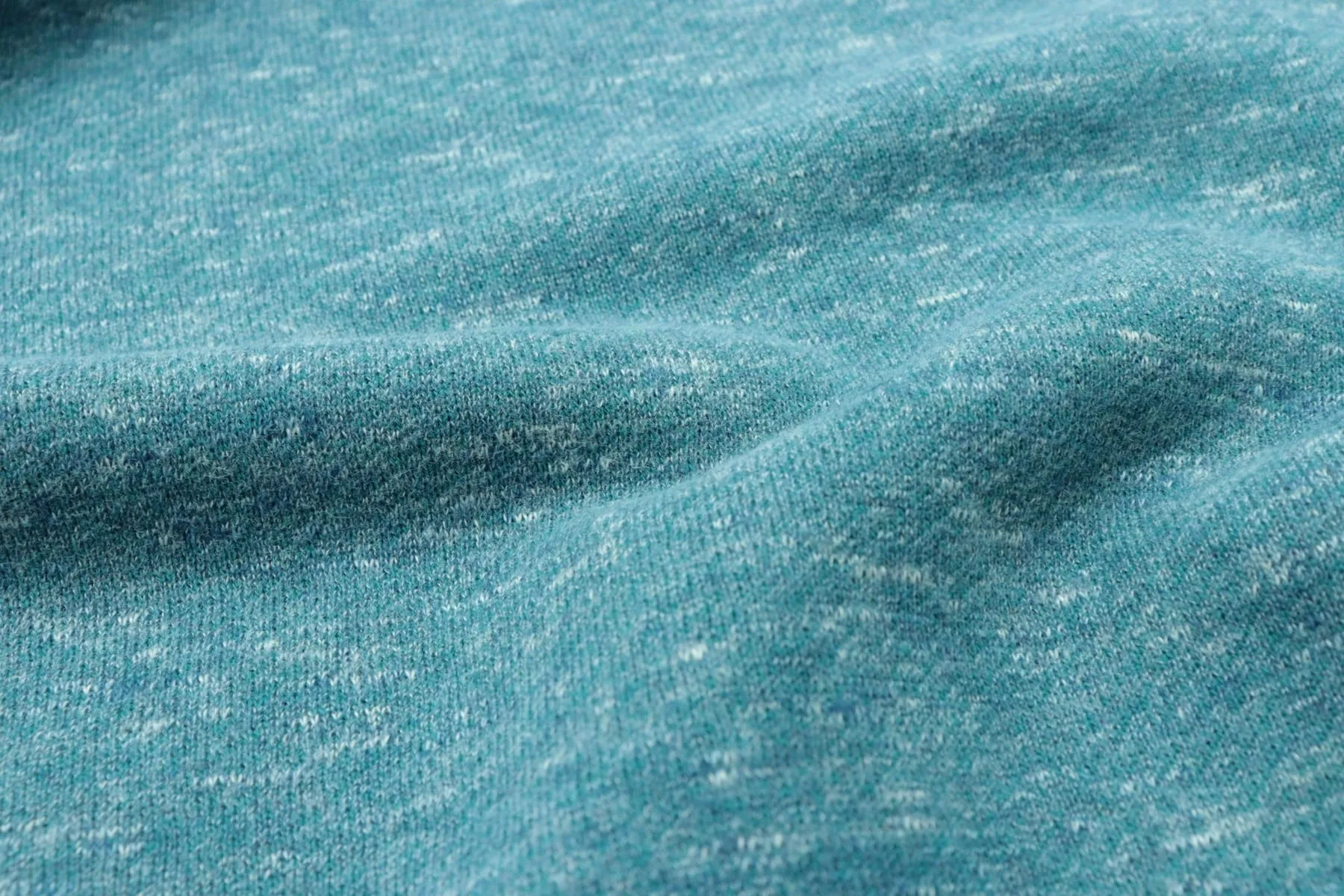
Quick check: look at the wrong side. Visible little loops mean French terry. A soft, fuzzy surface with no distinct loops means fleece.
One caution: “fleece” is also used for polar fleece, the 100% polyester outdoor fabric that is fuzzy on both sides. This article is about cotton and cotton-blend sweatshirt fleece, the classic hoodie fabric. Polar fleece is a different material with different sewing behavior.
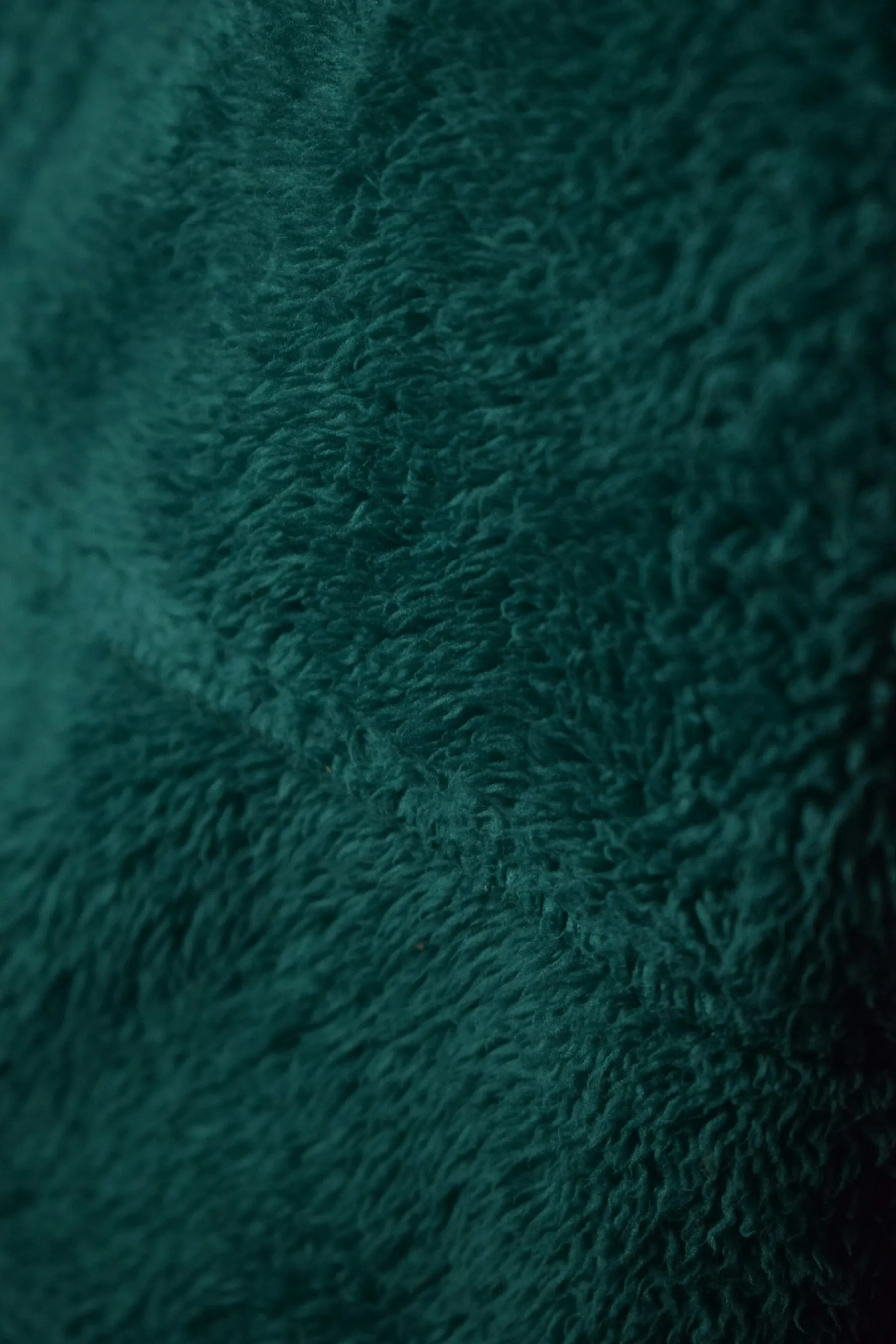
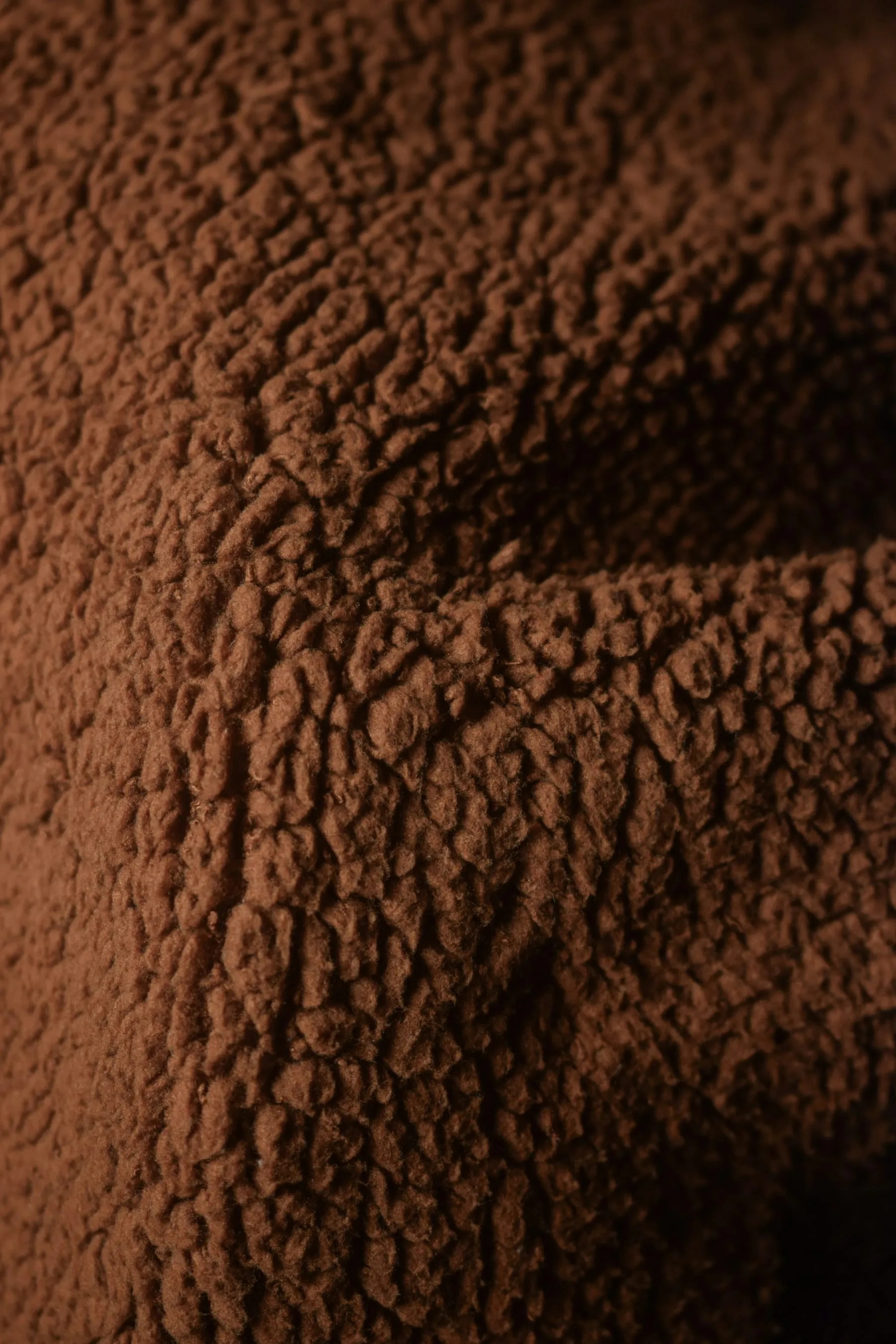
French terry vs fleece, side by side
| French terry | Sweatshirt fleece | |
|---|---|---|
| Back of fabric | Visible loops | Brushed, fuzzy pile |
| Warmth | Moderate | Warmer at the same weight, because the pile traps air |
| Breathability | Higher | Lower |
| Feel inside | Textured and dry | Soft and plush |
| Drape | Drapes more at lighter weights | Usually a little loftier and stiffer |
| Lint and shedding | Minimal | Brushed fibers can shed and pill, especially early on |
| Best seasons | Spring, fall, mild winters, layering | Cold weather |
| Typical uses | Hoodies, crewnecks, joggers, shorts, lounge sets | Hoodies, sweatpants, zip-ups, kids’ outerwear |
You can see the difference for yourself: hold a piece of each up to a window and the fleece will often look more opaque at a similar weight, because the brushed pile fills the gaps between the loops.
French terry and fleece aren’t separate fabric families. Fleece is basically brushed terry.
How they compare for a hoodie
Warmth and comfort
Fleece wins on warmth. Brushing makes a layer of soft fibers that hold still air close to the body, the same idea as a down jacket. If you live somewhere cold or you want a hoodie to wear as outerwear, fleece is the safer choice.
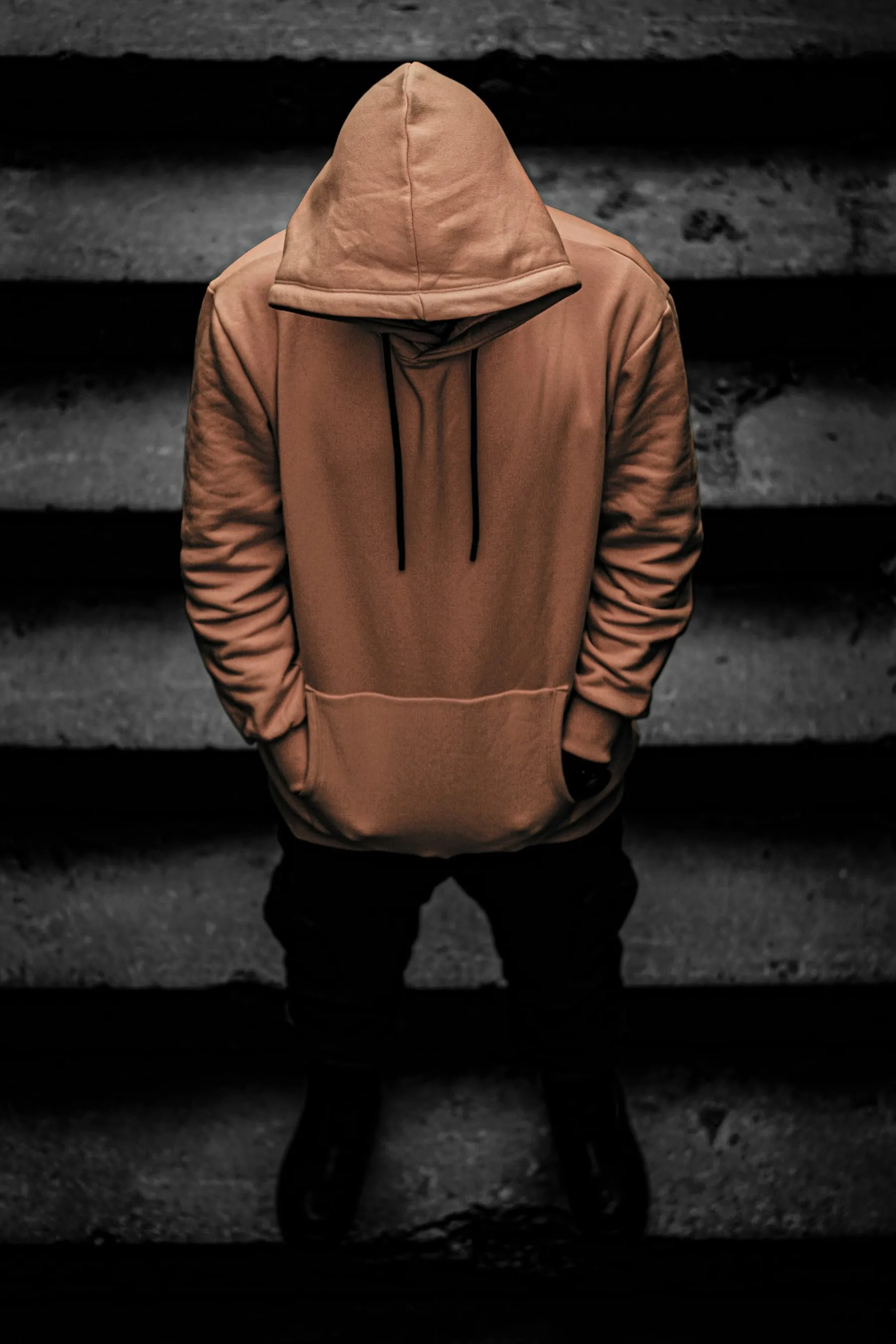
French terry is better when you move between indoors and outdoors, or when you run warm. The loops let more air through, so it stays comfortable for longer. Many sewists find a midweight French terry hoodie gets worn more months of the year.
Weight and structure
Weight matters more than terry vs. fleece for how the hoodie hangs. A light French terry and a heavy French terry are very different fabrics. Fabric weight is usually listed in gsm (grams per square meter):
- Around 300 gsm is a midweight. It drapes, works for everyday hoodies and joggers, and is easy to sew on a home machine.
- Around 400–500 gsm is heavyweight. It keeps its shape, gives the boxy streetwear look, and makes a hood that stands up instead of collapsing.
For reference, Helen’s Closet recommends medium to heavy knits of roughly 9–14 oz (300–475 gsm) for its Solstice zip-up hoodie, with sweatshirting and French terry listed as ideal (pattern listing). That range is a good starting point for most adult hoodie patterns.
Durability and washing
French terry tends to look newer for longer. The loops are intact, so there is less loose fiber to pill or shed. Brushed fleece can shed lint for the first few washes, and the pile can mat if you dry it on high heat. Washing cold, tumbling low, and skipping fabric softener all help.
Cotton in either fabric will usually shrink a little in the first wash. Prewash your fabric the way you’ll wash the finished hoodie, before you cut. Do the same with your ribbing so the cuffs and hem band shrink the same amount as the body.
Sewing differences
Both are stable knits, and both are friendly to beginners compared with slinky jerseys. A few differences:
- French terry feeds smoothly and presses well. Seams lie flatter, so it’s a good choice for your first hoodie.
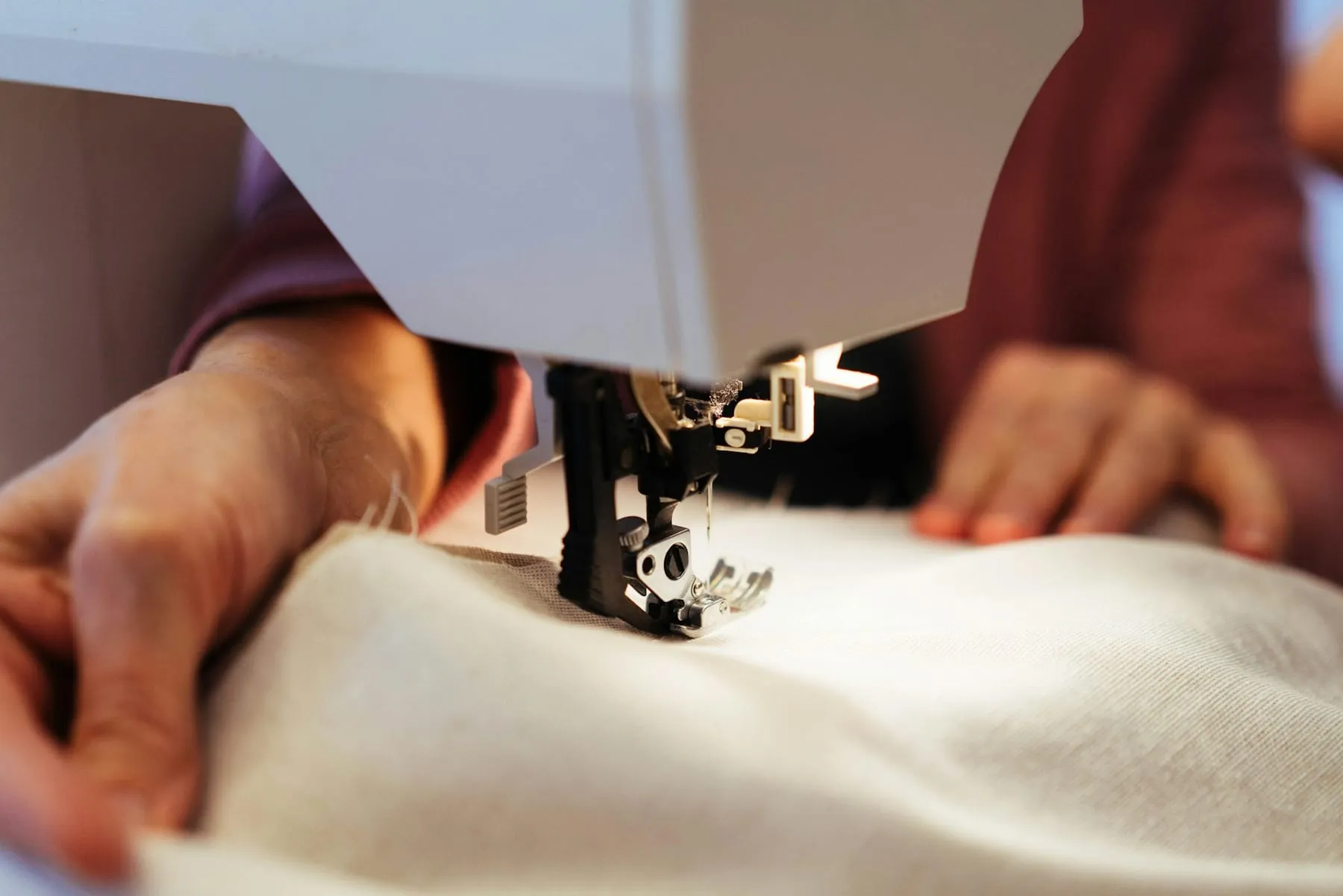
- Fleece is thicker and fluffier. Lengthen your stitch slightly. Expect lint in your machine and serger, so clean out the bobbin area afterward. A walking foot can help on thick seams like the hood join.
- For both, use a ballpoint or stretch needle, a narrow zigzag or stretch stitch if you don’t have a serger, and don’t pull the fabric as it feeds. Our guide to sewing knits without a serger walks through the setup.
Which one should you choose?
Ask yourself three questions:
- When will you wear it? If it’s year-round or for layering, pick French terry. If it’s mostly winter, pick fleece.
- What silhouette do you want? For a relaxed, drapey fit, go midweight, around 300 gsm. For boxy and structured, go heavyweight, 400 gsm and up, in either fabric.
- How much lint can you live with? If you want a clean, crisp look that stays that way, choose French terry.
If you’re still unsure, order swatches of both and handle them side by side. Feel the back, stretch them, and hold them up to the light. That will tell you more than any description.
What to look for when you shop
- The words “loopback” or “brushed back.” Listings use these to tell terry and fleece apart. If a listing just says “sweatshirt fabric,” check the photos of the wrong side or ask.
- gsm. Use it to compare weight between shops, since ounces can mean per square yard or per linear yard.
- Fiber content. Pick 100% cotton for a classic feel, a cotton-poly blend for easier care, or some spandex if your pattern needs more stretch.
- Matching rib. Some listings sell rib knit dyed to go with the body fabric. It saves guessing at colors.
- Care notes. Some fleece listings warn against fabric softener, which can flatten the pile. Follow the care notes on your listing.
Stock changes constantly, so search a few shops rather than relying on one. Big catalogs like Mood Fabrics and Fabric Mart, and independents like Stonemountain & Daughter and Style Maker Fabrics, all have knit sections worth checking. Etsy sellers are worth a look for small runs. Order a swatch of each if you can. We compare shipping, swatch and return policies at ten stores in the best online fabric stores.
Common questions
Is French terry or fleece warmer?
At the same weight, fleece is warmer because its brushed back traps more air. A heavy French terry can still be warmer than a light fleece, so compare gsm too.
Can you make a hoodie from French terry?
Yes. French terry is one of the most common hoodie fabrics, and many hoodie patterns list it as a recommended fabric alongside sweatshirt fleece.
Does French terry shrink?
Cotton French terry can shrink a little in the first wash, and so can cotton fleece. Prewash before cutting so the shrinking happens before you sew.
Is fleece the same as sweatshirt fabric?
Sweatshirt fleece is one kind of sweatshirt fabric. French terry is the other common one. Polar fleece, the fuzzy-both-sides outdoor fabric, is a different material.
What should I use for cuffs and the hem band?
Use rib knit, which stretches and recovers so cuffs snug back in. See our next guide, the best fabric for hoodies and sweatshirts, for ribbing tips, and how much fabric you need for a hoodie before you order.